Aluminum Casting Explained: Trick Realities and Insights for Industry Professionals
Aluminum casting serves as a crucial procedure in modern manufacturing, shaping components across different markets. Its diverse methods, such as sand and die casting, deal with different manufacturing demands. The unique buildings of aluminum alloys improve their applicability, yet tests continue to be in preserving quality and performance. Recognizing these facets is essential for market specialists. What are the current developments and best techniques that can better optimize this procedure?
Overview of Aluminum Casting Processes
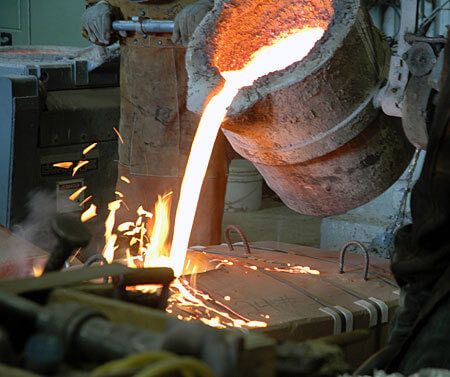
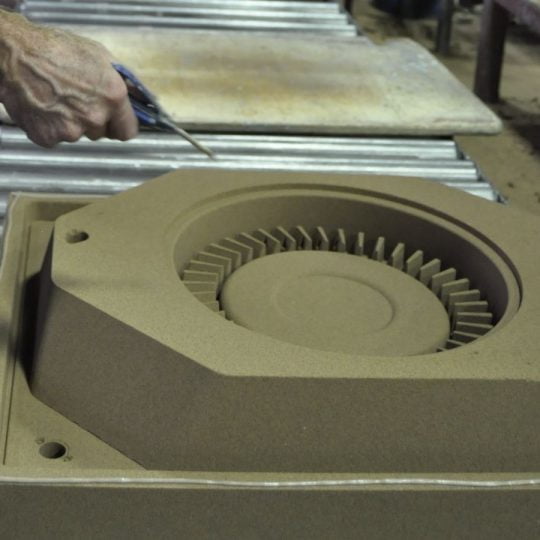
Trick aspects of aluminum casting processes include the preparation of mold and mildews, which might be made from sand, steel, or ceramic products, depending on the intended use. In addition, temperature level control is crucial to ensure appropriate melting and solidification of aluminum.
The casting procedure permits complex layouts and can accomplish high degrees of dimensional precision. As soon as cooled, the spreadings might undertake finishing procedures such as machining or surface area treatment to fulfill particular performance requirements. Generally, aluminum casting acts as a functional manufacturing strategy, successfully satisfying the varied demands of various industries.
Kinds of Aluminum Casting Methods
In the domain of aluminum casting, various approaches are employed to accomplish different outcomes. Sand casting strategies supply flexibility and cost-effectiveness for complex shapes, while die casting procedures use high precision and efficiency for automation. Recognizing these techniques is necessary for picking the ideal strategy based upon task demands.
Sand Casting Methods
Sand casting methods represent an essential technique in aluminum casting, where sand is utilized as a mold and mildew material to form molten steel. This process involves developing a pattern from the desired component, which is then placed in a sand blend to develop a mold. The sand is compacted around the pattern, and after removal, it develops a cavity in the form of the component. Molten aluminum is put right into this cavity, permitting it to cool down and solidify. One considerable advantage of sand casting is its adaptability; it can fit large elements and intricate forms. Furthermore, the products utilized are fairly low-cost, making it an obtainable choice for different manufacturing applications in the aluminum sector.
Die Casting Processes
Die casting processes are a noticeable method for forming aluminum parts, utilizing high-pressure strategies to require liquified steel right into specifically engineered mold and mildews. This process is particularly favored for its capability to create complicated shapes with tight resistances and a smooth surface. There are two primary kinds of die casting: hot chamber and cold chamber. Hot chamber die casting appropriates for metals with low melting points, permitting faster production prices. Alternatively, chilly chamber die casting is suitable for higher melting factor steels, needing a separate melting heater. Both techniques enhance efficiency and decrease material waste, making them crucial in vehicle, aerospace, and durable goods industries. Recognizing these procedures assists professionals select one of the most suitable technique for their certain applications.
Product Residence of Aluminum Alloys

Toughness and Sturdiness
Stamina and resilience are essential attributes of aluminum alloys that make them appropriate for various casting applications. These products exhibit a positive strength-to-weight ratio, permitting the creation of light-weight yet robust elements. With respect to tensile stamina, details aluminum alloys can be engineered to endure considerable lots without warping. This home is especially vital in markets such as aerospace and auto, where efficiency and safety and security are paramount. In addition, aluminum alloys commonly preserve their mechanical residential or commercial properties under diverse temperature level problems, ensuring regular efficiency. The innate ductility of these alloys likewise permits efficient shaping throughout the casting process, making it easier to create intricate geometries. In general, the toughness and durability of aluminum alloys contribute greatly to their prevalent use in advanced applications.
Deterioration Resistance Characteristics
While aluminum alloys are prized for their stamina and lightweight residential or commercial properties, their rust resistance is another vital characteristic that boosts their suitability for numerous applications. Aluminum naturally creates a protective oxide layer when subjected to dampness, which assists to prevent further oxidation. This intrinsic building makes aluminum alloys especially valuable in environments susceptible to deterioration, such as commercial and aquatic settings. Furthermore, various alloy structures can affect resistance degrees, with particular alloys specifically engineered to boost this particular. Therapies like plating can better enhance rust resistance by enlarging the oxide layer. As a result, comprehending the deterioration resistance of aluminum alloys is crucial for industry specialists when picking products for tasks calling for longevity and durability in tough environments.
Advantages of Aluminum Casting in Manufacturing
Aluminum casting offers various benefits in production, making it a recommended selection for different sectors. One considerable advantage is its light-weight nature, which adds to lowered transport costs and improved energy efficiency in final product. Additionally, aluminum's excellent thermal and electric conductivity improves functionality in applications needing warm dissipation or electrical transmission.
The material's capacity to be cast into detailed shapes enables layout versatility, minimizing the demand for added machining processes. In addition, aluminum casting exhibits superior deterioration resistance, leading to longer product lifespans and lower upkeep prices.
Usual Applications of Aluminum Castings
The versatility of aluminum casting allows its extensive use across different sectors. Common applications include auto components, where lightweight and corrosion-resistant components, such as engine blocks and transmission real estates, boost car efficiency. In the aerospace sector, aluminum castings are made use of for structural parts, offering strength without including substantial weight.
Additionally, the electrical industry take advantage of aluminum spreadings in manufacturing rooms and heat sinks, where thermal conductivity is necessary. The durable goods field additionally incorporates aluminum castings in items like pots and pans, furnishings, and ornamental products, incorporating aesthetic appeals with performance.
The building market utilizes aluminum castings for building elements, window structures, and components, which supply longevity and layout adaptability. In general, the diverse applications of aluminum spreadings underscore their value in modern manufacturing, adding to innovations in performance and product design across multiple fields.
Advancements and Technical Advancements
As industries proceed to advance, innovations in aluminum casting innovation are changing manufacturing procedures and product abilities. Advancements in 3D printing and additive manufacturing have actually allowed the development of intricate geometries that were previously difficult to attain with conventional methods. These modern technologies allow for rapid prototyping, reducing lead times and prices.
In addition, renovations in mold design and products have boosted the casting process by raising effectiveness and minimizing waste. The assimilation of clever manufacturing techniques, such as IoT gadgets and real-time data analytics, allows for better surveillance and optimization of production parameters, resulting in greater quality outcomes.
Moreover, advancements in aluminum alloys offer improved toughness, rust resistance, and lightweight residential properties, dealing with the growing needs in automobile and aerospace industries. Jointly, these advancements are not just boosting efficiency but likewise fulfilling the strenuous standards of modern design applications.
Finest Practices for High Quality Control in Aluminum Casting
Guaranteeing premium results in aluminum casting needs adherence to best methods that encompass various stages of the production procedure. Initially, comprehensive product evaluation is important to verify the quality of aluminum alloys utilized, as pollutants can significantly influence the end product. Executing precise melting and putting techniques reduces issues; maintaining perfect temperature levels stops oxidation and advertises uniformity.
Mold layout plays a vital function; using computer-aided layout (CAD) can enhance precision and lower read more human mistake. Routine tracking of the cooling procedure is essential to stay clear of warping and shrinking. Furthermore, making use of non-destructive testing techniques, such as ultrasonic or X-ray examinations, helps recognize interior defects without harming the components.
Ultimately, developing a comments loophole with engineers and drivers promotes constant enhancement, guaranteeing that quality assurance steps advance along with technological innovations. By adhering to these best methods, producers can enhance the reliability and performance of aluminum spreadings.
Often Asked Concerns
What Are the Ecological Impacts of Aluminum Casting?
The ecological influences of aluminum casting include significant power usage, greenhouse gas discharges, and possible water contamination from foundry procedures. Additionally, bauxite mining for aluminum ore can cause environment destruction and soil deterioration.
Exactly How Does Aluminum Casting Compare to Other Metal Casting Processes?
Aluminum casting generally uses advantages in lightweight components and corrosion resistance contrasted to various other procedures, such as iron or steel casting, which may give greater stamina yet lead to heavier and less corrosion-resistant products. - aluminum casting
What Are Usual Issues in Aluminum Castings and Their Reasons?
Common issues in aluminum castings consist of porosity, shrinking, and additions. Reasons commonly stem from incorrect pouring strategies, insufficient mold and mildew layout, or contamination of the liquified metal, influencing the last item's honesty and performance.
What Safety Precautions Should Be Taken Throughout Aluminum Casting?
Throughout aluminum casting, important security precautions include wearing safety equipment, making sure proper ventilation, preserving a tidy work area, handling molten metal with care, and adhering to well-known methods to lessen risks of burns, inhalation hazards, and accidents.
Exactly How Can I Improve the Performance of My Aluminum Casting Workflow?
To enhance performance in aluminum casting operations, one should optimize mold style, simplify material handling, employ automated processes, conduct regular maintenance on equipment, and buy staff member training to boost abilities and productivity.
Numerous approaches exist, aluminum casting includes a number of primary procedures that cater to different applications and needs. Key components of aluminum casting procedures include the prep work of molds, which may be made from sand, steel, or ceramic materials, depending on the intended usage. Sand casting techniques represent a basic approach in aluminum casting, where sand is made use of as a mold and mildew material to shape liquified steel. As industries continue to advance, technologies in aluminum casting technology are changing production processes and product abilities. Ensuring top notch outcomes in aluminum casting needs adherence to finest methods that include different phases of the manufacturing process.